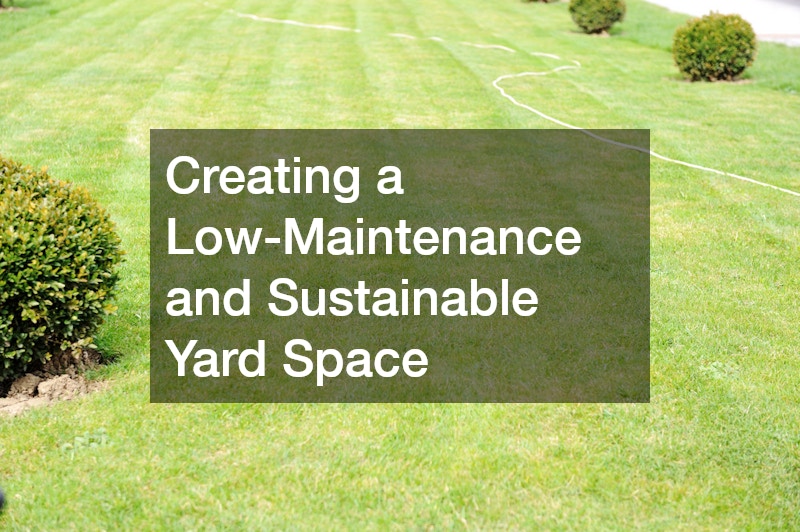
There’s a certain point most homeowners reach where their yard starts to feel like a second job. What begins as a vision—lush grass, full flower beds, perfectly trimmed edges—slowly turns into a cycle of mowing, watering, fixing, and repeating. The reality is that many traditional yards are designed for appearance first and practicality second.
A sustainable yard flips that thinking. It’s not about doing less carelessly—it’s about doing less because your space is designed better. When your yard works with your environment instead of fighting it, everything becomes easier. Water is used more efficiently, plants thrive naturally, and maintenance becomes something you manage—not something that controls your weekends.
The process doesn’t require a complete overhaul overnight. It’s about making intentional decisions that reduce effort over time while improving how your space looks and functions.
Clear Out What No Longer Serves Your Space
Before you think about adding anything new to your yard, it helps to take a hard look at what’s already there—and what it’s costing you in time and effort.
Clutter in outdoor spaces tends to accumulate gradually. A broken planter gets pushed to the side. Extra pavers are stacked “just in case.” Old fencing leans a little more each year. None of it feels urgent, but collectively, it creates friction every time you step outside.
You might notice it in small ways:
- Mowing becomes awkward because you’re constantly navigating around obstacles
- Weeds grow faster in neglected corners where debris collects
- Drainage issues form where materials block natural water flow
What seems like harmless buildup is often the root of ongoing maintenance frustration.
Clear Space With Intention, Not Just Effort
The goal isn’t simply to “clean up”—it’s to reset your yard so it can function better moving forward.
Start by separating items into three categories:
- Things you actively use and need
- Items that could be repurposed realistically
- Anything that hasn’t served a purpose in over a year
That third category is where most of your hidden maintenance problems live.
For larger cleanouts, working with a junk removal service can remove the mental and physical barrier that often slows this process down. Instead of tackling it piece by piece over several weekends, you can clear the space quickly and move on to more productive improvements.
There’s also a psychological shift that happens here. Once the clutter is gone, your yard feels more open—and more manageable. It becomes easier to envision how the space should actually function.
Look Down: Surfaces Tell a Bigger Story
While it’s easy to focus on visible clutter, the condition of your surfaces often has a bigger long-term impact.
Walk your driveway or pathways slowly and pay attention to subtle issues:
- Fine cracks that are starting to spread
- Areas where water tends to sit after rain
- Sections where weeds are pushing through
These small details signal where future problems are likely to develop.
Addressing them early—sometimes through asphalt sealcoating—helps stabilize these surfaces before they require more extensive repairs. It also improves how water moves through your yard, which plays a major role in reducing maintenance overall.
Think of it as reinforcing your foundation. When your surfaces are intact and functional, everything built around them performs better.
Remove Barriers to Future Improvements
One of the most overlooked benefits of clearing your yard is how much easier it makes every future decision.
When your space is cluttered or uneven:
- You’re less likely to take on upgrades because it feels overwhelming
- Small projects require more prep work than they should
- You end up working around problems instead of solving them
By removing what no longer serves your space, you eliminate those barriers.
For example, clearing out an overgrown corner might reveal enough room for a simple seating area or low-maintenance planting zone. Fixing a deteriorating pathway might improve access to the rest of your yard, making routine tasks faster and easier.
Momentum builds quickly once the obstacles are gone.
Think of This Phase as Long-Term Simplification
It’s tempting to rush past cleanup and get to the “fun” parts of yard design. But skipping or minimizing this step often leads to more work later.
A yard that hasn’t been properly cleared tends to:
- Develop recurring maintenance issues in the same areas
- Require constant adjustments to work around existing problems
- Feels harder to manage, even after upgrades
On the other hand, a clean, stable starting point simplifies everything that follows.
Instead of layering new ideas on top of old problems, you’re building from a place of clarity. That clarity is what allows a yard to become truly low-maintenance over time—not just temporarily improved.
Design a Layout That Minimizes Ongoing Work
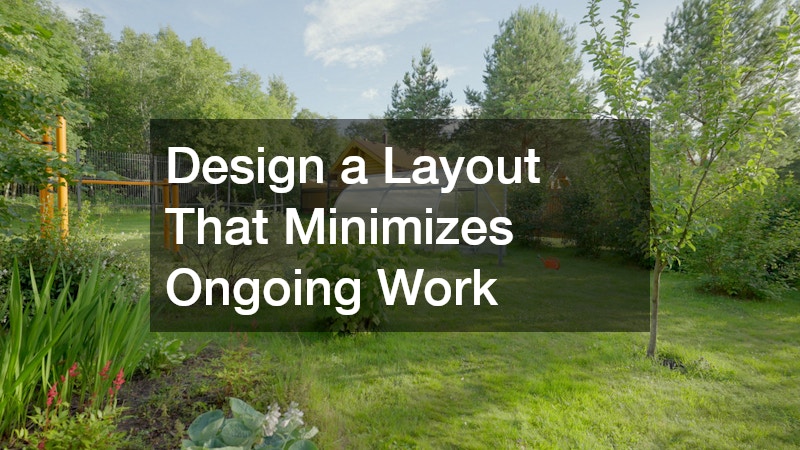
A yard without structure tends to demand constant attention. Plants spread where they shouldn’t, grass creeps into beds, and maintenance tasks multiply because nothing has a clear boundary.
A more intentional layout changes that dynamic.
Start by thinking in zones instead of one continuous space. Where do you actually spend time? Where does maintenance matter most? By defining areas—whether for seating, planting, or open space—you naturally reduce overlap and confusion.
Professionals like landscapers often approach design this way, not for aesthetics alone, but for efficiency. Grouping plants with similar needs, placing high-maintenance elements closer together, and limiting unnecessary lawn space all reduce ongoing work.
Edges also play a bigger role than most people expect. Without clear borders, even the best design slowly blurs. Installing clean divisions—sometimes with the help of landscape curbing services—keeps materials in place and prevents constant reshaping.
A well-designed yard doesn’t just look organized. It stays that way with far less effort.
Build Smarter Drainage to Prevent Future Problems
Water has a way of exposing every flaw in a yard. Too much of it in the wrong place can undo even the most thoughtful design.
You might notice it after a storm: puddles forming where they shouldn’t, soil washing away, or water sitting too close to your home. These are more than minor annoyances—they’re early warning signs.
Over time, poor drainage can lead to structural concerns. Water pooling near your home’s edges can eventually impact areas that require roofing repair, especially if runoff isn’t directed properly.
Addressing drainage doesn’t always mean major construction. Often, small adjustments make a significant difference:
- Slightly regrading soil to guide water away from structures
- Adding permeable materials like gravel in problem areas
- Creating subtle channels that redirect runoff
For homeowners in areas with frequent storms, there’s also a broader consideration: protection. Evaluating your flood insurance coverage as part of your overall plan can provide peace of mind, especially when paired with proactive yard improvements.
A yard that handles water well doesn’t just look better after rain—it avoids long-term damage.
Choose Plants That Practically Take Care of Themselves
Plant selection is where many yards either succeed quietly or become a constant source of work.
It’s easy to be drawn to plants that look impressive in a nursery, but if they require constant watering, trimming, or seasonal replacement, they quickly become a burden.
A more sustainable approach starts with observation. What already grows well in your area without much help? Those are your clues.
Experienced landscapers often recommend leaning into native or climate-adapted plants. These options are naturally suited to your environment, which means they need less water, fewer interventions, and recover more easily from weather changes.
Trees deserve special attention. While they add value and comfort, the wrong placement or species can create ongoing challenges. Roots can disrupt surfaces, and overgrown branches can become hazards. In some cases, working with tree removers to address problematic trees early can simplify your entire yard.
Choosing the right plants isn’t about limiting your options—it’s about selecting ones that align with the level of care you’re willing to give.
Reduce Energy Demands Through Smart Outdoor Planning
Your yard doesn’t just affect how it looks—it influences how your home feels and performs.
Think about the difference between a home exposed to direct sunlight all day versus one with strategic shade. The latter often stays cooler, reducing the strain on cooling systems and lowering the likelihood of frequent AC repairs. In some cases, consulting an HVAC contractor can help you better understand how outdoor changes—like added shade or airflow improvements—directly impact your system’s efficiency.
Shade isn’t the only factor. Airflow, surface materials, and even plant placement all contribute to how heat moves around your home.
Lighting is another area where thoughtful upgrades can make a difference. Instead of relying on older, inefficient systems, many homeowners are shifting toward more streamlined setups. Working with an electrician can help ensure installations are both safe and optimized for efficiency.
Consider integrating:
- Motion-activated lights that reduce unnecessary usage
- Solar-powered fixtures that eliminate wiring needs
- Timed systems that adjust automatically
These changes don’t just save energy—they reduce the number of tasks you have to manage manually.
Use Durable Materials That Require Minimal Upkeep
Materials quietly determine how much time you’ll spend maintaining your yard.
Some surfaces age gracefully, while others demand constant attention. Choosing wisely at the start can eliminate years of unnecessary work.
For example, surfaces that resist cracking and shifting reduce the need for frequent repairs. Maintaining them occasionally—such as with asphalt sealcoating—can extend their lifespan significantly.
Edges and borders also play a role here. Without them, materials migrate, weeds creep in, and the entire yard starts to feel unkempt. Solutions like landscape curbing services provide stability, keeping everything where it belongs.
When evaluating materials, it helps to think long-term:
- Will this hold up against weather changes?
- Does it require frequent cleaning or sealing?
- How does it interact with surrounding elements like soil or plants?
Durability isn’t just about strength—it’s about consistency. The less a material changes over time, the less you have to manage.
Create Functional Outdoor Zones That Stay Organized
There’s a subtle difference between a yard that looks full and one that feels functional.
Without clear organization, even well-designed spaces can become cluttered. Tools get left out, equipment piles up, and maintenance tasks start to overlap.
Breaking your yard into purpose-driven zones simplifies everything. A small storage area, for example, can prevent tools from being scattered across your space. In some cases, homeowners even use a junk removal service periodically to reset areas that start to accumulate unnecessary items.
Working with landscapers to define these zones can also help ensure that each area serves a clear function without interfering with others.
Think of your yard like a well-organized room. When everything has a place, upkeep becomes far more manageable.
Prevent Costly Repairs With Proactive Maintenance
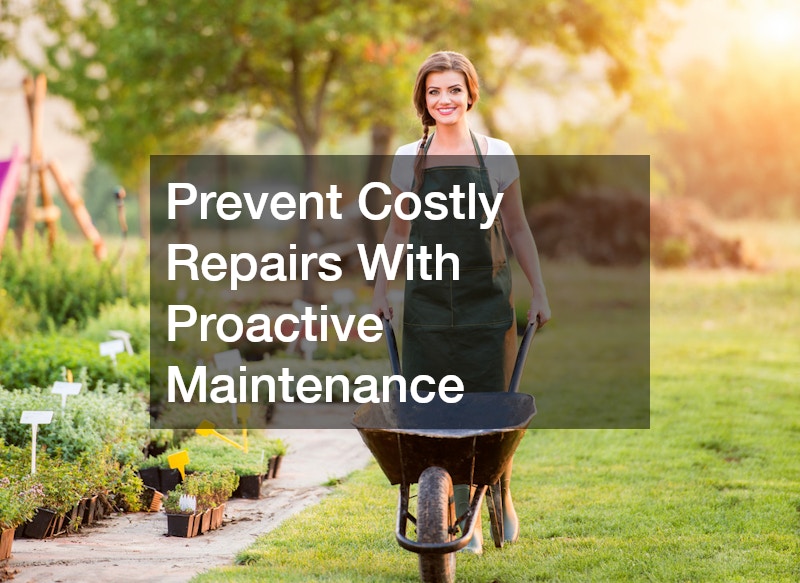
Maintenance doesn’t have to mean large, time-consuming projects. In fact, the most effective approach is often the simplest: catching small issues early.
Consider how often minor problems go unnoticed. A small leak, a slight crack, or a subtle change in performance might not seem urgent—but over time, they grow.
For example, something as routine as checking systems that impact your home’s exterior can prevent larger issues. Ignoring early signs might eventually lead to situations requiring roofing repair or repeated AC repairs.
A practical approach might look like this:
- Walk your yard monthly with a critical eye
- Address minor issues immediately, even if they seem insignificant
- Keep a simple checklist of seasonal tasks
The goal isn’t perfection—it’s consistency. Small, regular actions reduce the likelihood of major disruptions.
Simplify Outdoor Safety and Structural Integrity
A low-maintenance yard is also a safer one. When hazards are minimized, you spend less time fixing problems and more time enjoying the space.
Safety issues often develop gradually. A leaning tree, exposed wiring, or uneven pathways might not seem urgent—until they are.
In some cases, consulting tree removers can help eliminate risks before they escalate. Similarly, addressing outdoor electrical concerns with an electrician ensures that lighting and systems function reliably.
Good design also plays a role here. Clear pathways, adequate lighting, and stable surfaces all contribute to a safer environment.
A yard that’s easy to navigate and free of hazards naturally requires less attention. It’s one of the most overlooked aspects of sustainability.
Build a Yard That Works for You
At its best, a yard should feel like a place you want to spend time—not something you constantly have to manage. Sustainability isn’t about doing everything perfectly; it’s about creating systems and spaces that support your life instead of complicating it.
When you step back and look at the bigger picture, the goal becomes clear: reduce friction. Fewer repairs, fewer decisions, fewer tasks competing for your time.
And the interesting part is that these changes tend to build on each other. A cleaner layout leads to easier maintenance. Better materials reduce future work. Smarter plant choices simplify everything else.
Over time, what once felt like effort turns into something much more manageable—and much more enjoyable.
